First Steps to Developing an Eye for Reading Paintings
1. Painting: A Language of Emotion and Thought
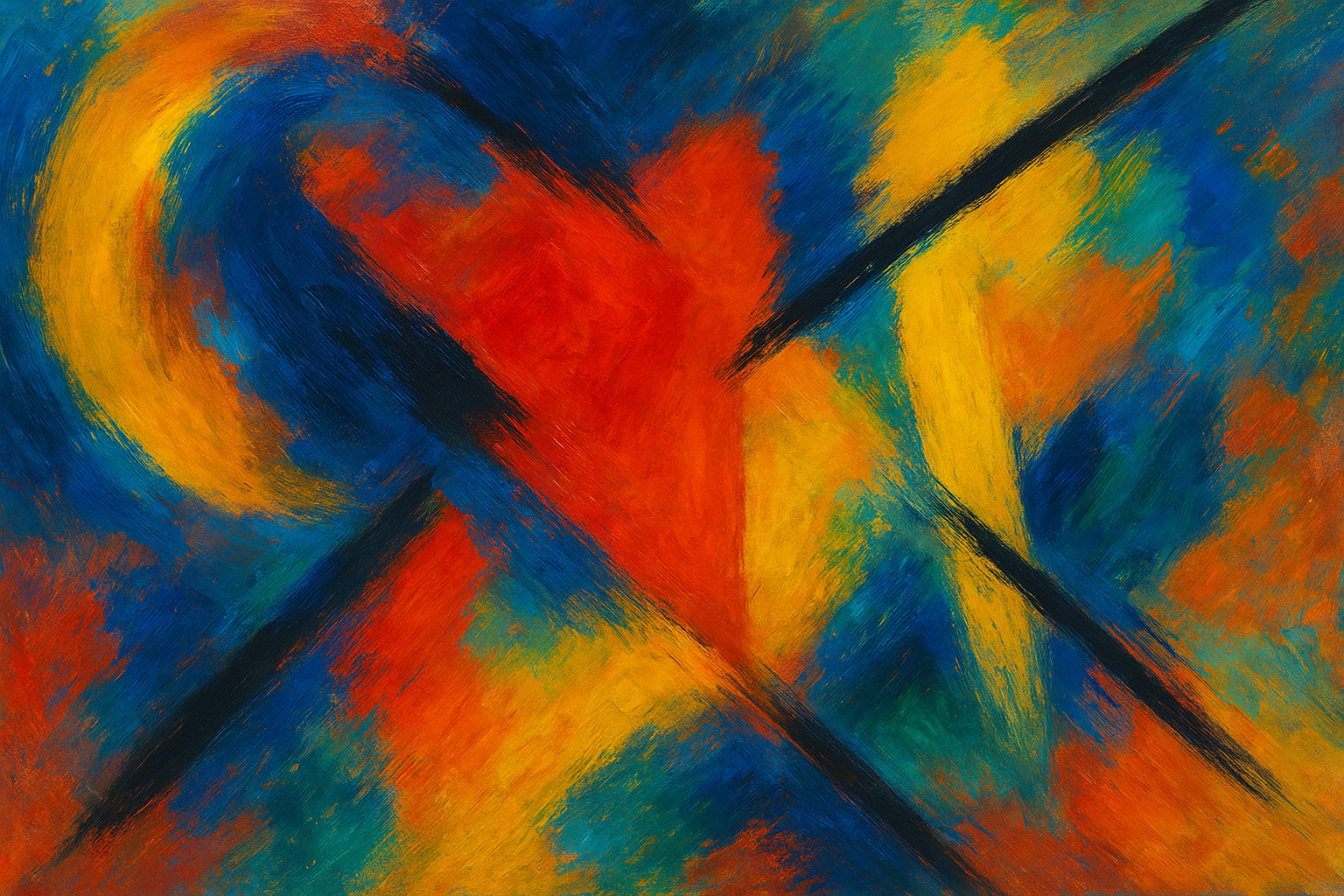
Painting is one of the oldest forms of visual art—an “image language” that has captured eras and cultures, from murals to canvas. The first elements you encounter in a painting are color and line. These are key tools for conveying the artist’s emotions, messages, and the atmosphere of the time.
2. Color: A Sign of Atmosphere and Emotion
Color evokes emotion. Warm colors convey vitality and energy, while cool colors suggest calmness and distance. Think of Van Gogh’s Sunflowers—the intense yellows symbolize life and hope, expressing his inner longing.
Points to consider when appreciating color:
- Is the overall tone of the painting warm or cool?
- Where are the complementary contrasts or intense colors focused?
- Does the color variation express emotional flow?
3. Line: Constructing Structure and Rhythm
Lines form shapes and guide the viewer’s gaze. Renaissance painters used precise lines for perspective, while modern artists use bold lines to convey emotional energy. Picasso’s Guernica visualizes the pain of war through the collision of straight and curved lines. Key questions for observing lines:
- How do thick and thin lines create different feelings?
- Where do the directions of the lines lead your gaze?
- What do the spaces between lines signify?
4. Form and Composition: Seeing the Whole
It’s important to look at color and line individually, but also essential to understand the overall composition. Composition guides the eye and creates narrative flow. For example, René Magritte’s The Treachery of Images uses a simple composition to question the boundary between words and images.
5. Practical Tips: How to Appreciate Paintings at an Exhibition
- First, take a step back and observe the whole piece to feel the atmosphere.
- Approach closely to notice detailed lines, color shifts, and brushstrokes.
- Read the artwork description after your own viewing to compare it with your personal impression.
- Explore other works by the same or similar artists to expand your appreciation.
Artes Gallery | 아르테스갤러리
Art for Every Soul
artesgallery.com
6. Recommended Works
- Claude Monet, "Impression, Sunrise" – conveying emotion through the flow of color
- Mark Rothko, Untitled – meditative experience through color fields
- Frida Kahlo, "The Broken Column" – symbolic expression of personal pain
Next article: “An Eye for Form: Understanding Sculpture”
색과 선의 언어: 회화 감상의 기초
그림을 읽는 눈을 기르기 위한 첫걸음1. 회화, 감정과 사유의 언어회화(Painting)는 가장 오래된 시각 예술의 형태로, 벽화에서부터 캔버스에 이르기까지 시대와 문화를 담아온 ‘이미지의 언어’
artesarchive.com
Primer paso para aprender a leer una pintura
Primer paso para aprender a leer una pintura1. La pintura: un lenguaje de emoción y pensamientoLa pintura es una de las formas más antiguas del arte visual, un "lenguaje de imágenes" que ha capturado épocas y culturas desde los murales hasta los lienzo
es.artesarchive.com
Premiers pas pour apprendre à lire une peinture
Premiers pas pour apprendre à lire une peinture1. La peinture, un langage d’émotion et de penséeLa peinture est l'une des formes d’art visuel les plus anciennes, un "langage d’images" qui capture les époques et les cultures, des fresques murales
fr.artesarchive.com
絵画を読む目を養う
絵画鑑賞の第一歩:見る目を育てる1. 絵画:感情と思考の言語絵画は最も古い視覚芸術の一つであり、壁画からキャンバスまで時代や文化を映してきた「イメージの言語」です。絵を見たと
jp.artesarchive.com
'Genres' 카테고리의 다른 글
| Moving Images: The World of Video and New Media Art (0) | 2025.08.04 |
|---|---|
| Stories in Space: The Message of Installation Art (0) | 2025.08.04 |
| The Art of the Moment: Why Is Photography Art? (0) | 2025.08.04 |
| From Two Dimensions to Three: Opening the Door to Sculpture Appreciation (0) | 2025.08.02 |
| Art Appreciation Guide for Beginners (0) | 2025.08.02 |


